
MARS
The only planet we know of inhabited entirely by robots.Mars is no place for the faint-hearted. It’s dry, rocky, and bitter cold. The fourth planet from the Sun, Mars is one of Earth's two closest planetary neighbors (Venus is the other). Mars is one of the easiest planets to spot in the night sky – it looks like a bright red point of light. Despite being inhospitable to humans, robotic explorers – like NASA's Perseverance rover – are serving as pathfinders to eventually get humans to the surface of the Red Planet.
Tourism In Mars
Mars, the inhospitable realm, is not for the weak-willed. Its arid, rugged terrain and bone-chilling temperatures make it a formidable destination. Positioned as the fourth celestial body from the Sun, Mars stands alongside Venus as Earth's closest planetary companions. Gazing at the night sky, one cannot miss the striking sight of Mars, resembling a radiant crimson beacon. Embarking on a journey to this extraordinary planet is an awe-inspiring experience, for Mars is a world of stark contradictions. Its tourism offerings rival those of Earth, promising an adventure like no other. Brace yourself for an expedition that defies the limits of imagination.
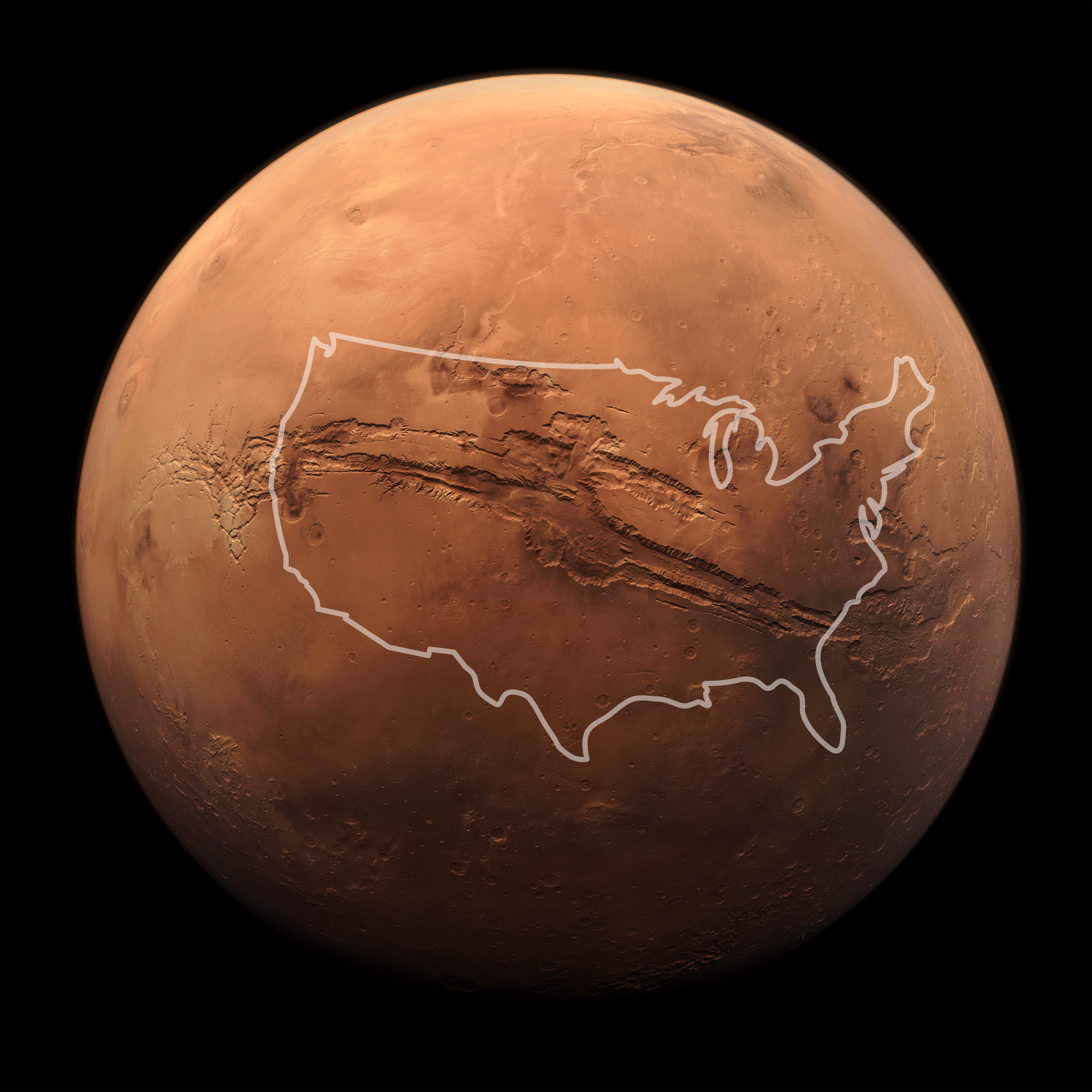
Exploring Valles Marineris
Known as the largest canyon in the solar system, Valles Marineris is a must-see. It runs the length of New York to Los Angeles and is four times as deep as the Grand Canyon1.
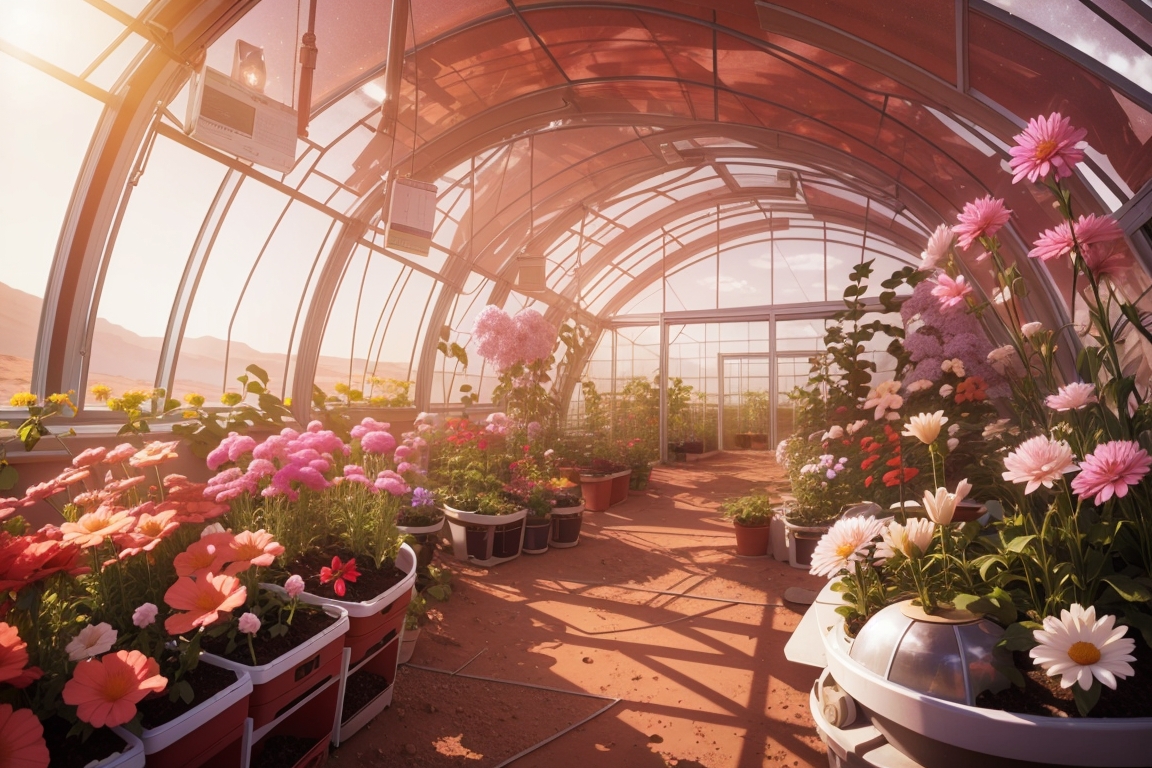
Greenhouse Garden
Visit the green house gardens where crops and plants are cultivated in a artificial space.If you think farming is a easy job then you must visit it. I guess your perception will change on how farming looks like.

Mount olympos
The largest of the volcanoes in the Tharsis Montes region, as well as all known volcanoes in the solar system, is Olympus Mons. Olympus Mons is a shield volcano 624 km (374 mi) in diameter (approximately the same size as the state of Arizona), 25 km (16 mi) high, and is rimmed by a 6 km (4 mi) high scarp
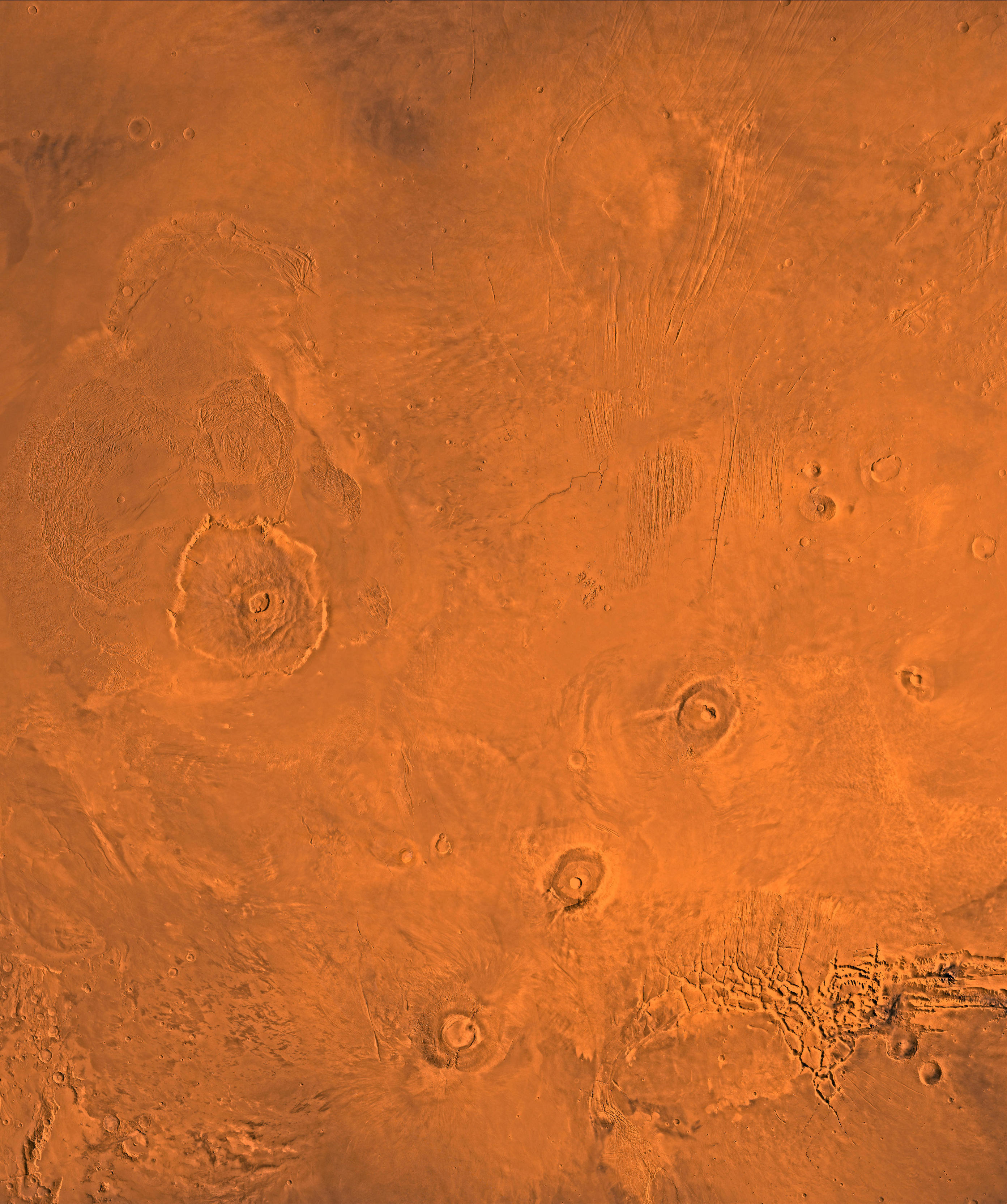
Visit the tharsis volcano
While you’re climbing around Olympus Mons, it’s worth sticking around to look at some of the other volcanoes in the Tharsis region. Tharsis hosts 12 gigantic volcanoes in a zone roughly 2500 miles (4000 km) wide1. These volcanoes may have erupted for as long as two billion years, or half of the history of Mars1.

Fun with korolev frozen crater
Attention ice skaters! You will be thrilled to learn that there is a crater on Mars covered in ice that remains intact throughout the year, rather than just during certain seasons. This extraordinary phenomenon makes it an absolute must-visit destination for all ice enthusiasts. Don't miss out on this incredible opportunity to experience the joy of skating on another planet!

Smile with galle crater
One of the most fascinating places to visit is Galle Crater, often referred to as the Happy Face Crater due to its obvious resemblance to a smiling face. This unique geological formation never fails to bring a smile to your face. Capture some amazing photos here and share them on your Instagram feed to spread the joy.
1
Red planet
Mars is often referred to as the "Red Planet" because of its reddish appearance. This color is due to iron oxide, or rust, on its surface.
Learn More2
Water on Mars
Mars has both frozen water and evidence of liquid water in the past. Scientists have discovered ice caps at its poles, and there are signs of ancient river valleys and lake beds on the planet's surface.
Learn More3
Duo of moon
Mars has two small moons, Phobos and Deimos. These moons are irregularly shaped and much smaller than Earth's moon.
Learn More4
Potential for Life
While Mars is a harsh environment with extreme cold and radiation, scientists are interested in the possibility of past or present microbial life on the planet. They continue to search for signs of habitability and water.
Learn More5
Surface of mars
Mars has a diverse landscape with features such as mountains, valleys, canyons, and impact craters. The largest volcano in the solar system, Olympus Mons, is found on Mars.
Learn More6
Day similar to earth
A day on Mars, known as a "sol," is only about 24.6 hours long, making it similar in length to an Earth day.This also shows some possibility of life in mars.
Learn More